Winter driving tips
Winter driving brings colder temperatures, shorter days, and road conditions that demand extra caution from drivers of all ages. Whether you are commuting, running errands, or heading out on a trip, knowing how to prepare your vehicle and adjust your driving can reduce your risk on snow, ice, and slush. These winter driving tips cover vehicle prep, in car techniques, and simple habits that improve safety and confidence when temperatures drop.
Key Takeaways
- Prepare your vehicle before winter driving season. Keep an emergency kit in your car (blankets, ice scraper, jumper cables, traction mats, flashlight, portable charger, and nonperishable snacks), maintain at least a half tank of fuel to prevent fuel line freezing, and consider installing dedicated snow tires for sustained winter conditions.
- Increase your following distance to at least 6 seconds on snow or ice, since topping distances are significantly longer in winter conditions. Brake earlier and more gently than usual, avoid cruise control on slippery roads, and reduce speed substantially on icy surfaces to prevent skidding.
- Maintain clear visibility by running your A/C with the heater on damp days. This removes cabin moisture and defogs windows more effectively than heat alone.
Use the AC when it is cool and damp
On cool, damp days, winter fog and window fogging can reduce visibility. Running the air conditioning on low with the heater, or using a defog setting, removes moisture from the cabin and clears windows more effectively than heat alone. This helps maintain a clear windshield and side windows without making the cabin uncomfortably cold.
Know when to use the defroster
Use the windshield defroster to quickly clear condensation or thin layers of frost. Start the vehicle a few minutes before driving when temperatures are very low and use the defroster in combination with the A/C setting to remove moisture. Once the windshield is clear, switch to a lower fan to avoid reintroducing humidity.
Be prepared for snow
Pack an emergency winter kit and keep it in your vehicle during the season. Essential items include:
- Warm blankets or extra clothing
- Nonperishable snacks and water
- Shovel and ice scraper with brush
- Flashlight and extra batteries
- Jumper cables and tow strap
- Bag of sand, kitty litter, or traction mats for getting unstuck
- First-aid kit and necessary medications
- Portable phone charger and a list of emergency numbers
Unfreeze locks with hand sanitizer
If door locks freeze, a small amount of alcohol-based hand sanitizer applied to the key or lock can help melt ice quickly. Rubbing alcohol or commercial lock deicer is effective because of the alcohol content, which lowers the freezing point. Avoid pouring hot water on a frozen lock because temperature shock can damage seals and components.
Keep gas tank half full
Maintain at least a half tank of fuel in winter to reduce the risk of running out during delays and to help prevent your fuel line from freezing in very cold temperatures. A fuller tank also means you can run the heater if you become stranded. During extended trips in remote areas, top off before leaving and plan fuel stops in advance.
Consider installing snow tires
Snow tires (winter tires) have tread compounds and patterns designed for traction in snow, slush, and cold pavement. They provide better braking and cornering than all-season tires in winter conditions. If you regularly drive in areas with sustained snow or subfreezing temperatures, consider switching to dedicated winter tires for the season and follow manufacturer recommendations for installation and storage.
Allow more time to brake and slow down
Reduced traction increases stopping distances on snow and ice. Increase your following distance and brake earlier and more gently than in dry conditions. Use the three-second rule as a minimum and expand it to six or more seconds in slippery conditions. Anticipate intersections and turns so you can decelerate smoothly.
Drive slow on ice
When roads are icy, reduce speed substantially and avoid sudden inputs (steering, braking, or acceleration) that can cause loss of control. If you encounter black ice (slick, nearly invisible ice), ease off the accelerator and keep the steering wheel steady. If the vehicle begins to skid, steer gently in the direction you want the front of the car to go and avoid hard braking. Consider practicing recovery techniques in a safe, controlled environment, such as an advanced driving course, before winter conditions arrive.
Additional practical winter driving tips
- Clear all snow and ice from the vehicle: Remove snow from the roof, hood, trunk, mirrors, lights, and windows to improve visibility and avoid creating hazards for other drivers. In some states, such as Maine and New Hampshire, it is illegal to drive your vehicle with snow and ice on it.
- Use low beams in snow or heavy rain: High beams can reflect off snow and reduce visibility.
- Avoid cruise control on slippery surfaces: Cruise control can cause unintended acceleration on ice or slush.
- Know how your brakes respond: Understand whether your car has antilock brakes (ABS) and how to use them. Press and hold the brake pedal firmly for ABS; for non-ABS, pump brakes gently to avoid locking.
- Plan routes with safer roads: Choose main roads and plowed routes when possible. Avoid steep hills and unplowed side streets if conditions are poor.
- Keep a charged phone and share your route: Let someone know your expected arrival time when traveling in winter storms.
- Maintain battery and electrical systems: Cold weather reduces battery performance. Have the battery and charging system checked before winter.
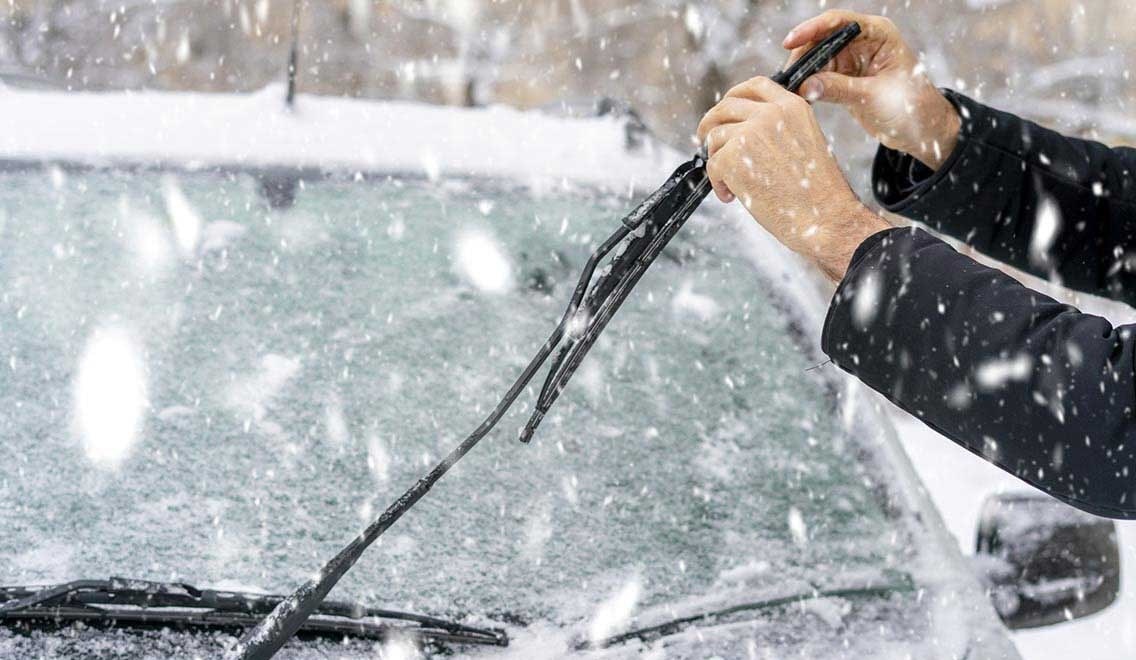
- Protect windshield wipers and fluids: Use winter-grade washer fluid and replace worn wiper blades to maintain visibility.
- Secure cargo: Loose items can become projectiles during sudden stops, so stow items in the trunk or secure them inside the cabin.
Drive Safely with Liberty Mutual
Be prepared this winter and make sure your coverage fits your needs. Get a free online car insurance quote and see how Liberty Mutual can help protect you on winter roads.

Written by Jess Feldman
Jess Feldman is an Editor of Liberty Mutual Resources, the company's consumer-focused insurance hub. She brings more than a decade of experience in content strategy, editorial management, and instructional communication, with a focus on translating complex, YMYL (Your Money or Your Life) topics into clear, accurate, and actionable resources for consumers. Prior to Liberty Mutual, she served as Content Manager at Course Report and Editor at ParksByNature Network. She holds an M.F.A. in Writing and a B.A. in English from the University of New Hampshire.

Edited by Amy Beirne
Amy Beirne creates research-driven educational content that helps consumers better understand insurance and make informed decisions. She brings more than 15 years of experience in digital strategy, analytics, and consumer research, with a focus on making complex information clear, accurate, and accessible. Amy has authored both consumer education resources and peer-reviewed academic research. She holds a Master of Philosophy in Health Promotion from the University of Bergen and a Bachelor of Arts in Communication and Anthropology from the University of New Hampshire.