Get a Utah car insurance quote
You could save over $700 on auto insurance when you switch to Liberty Mutual1
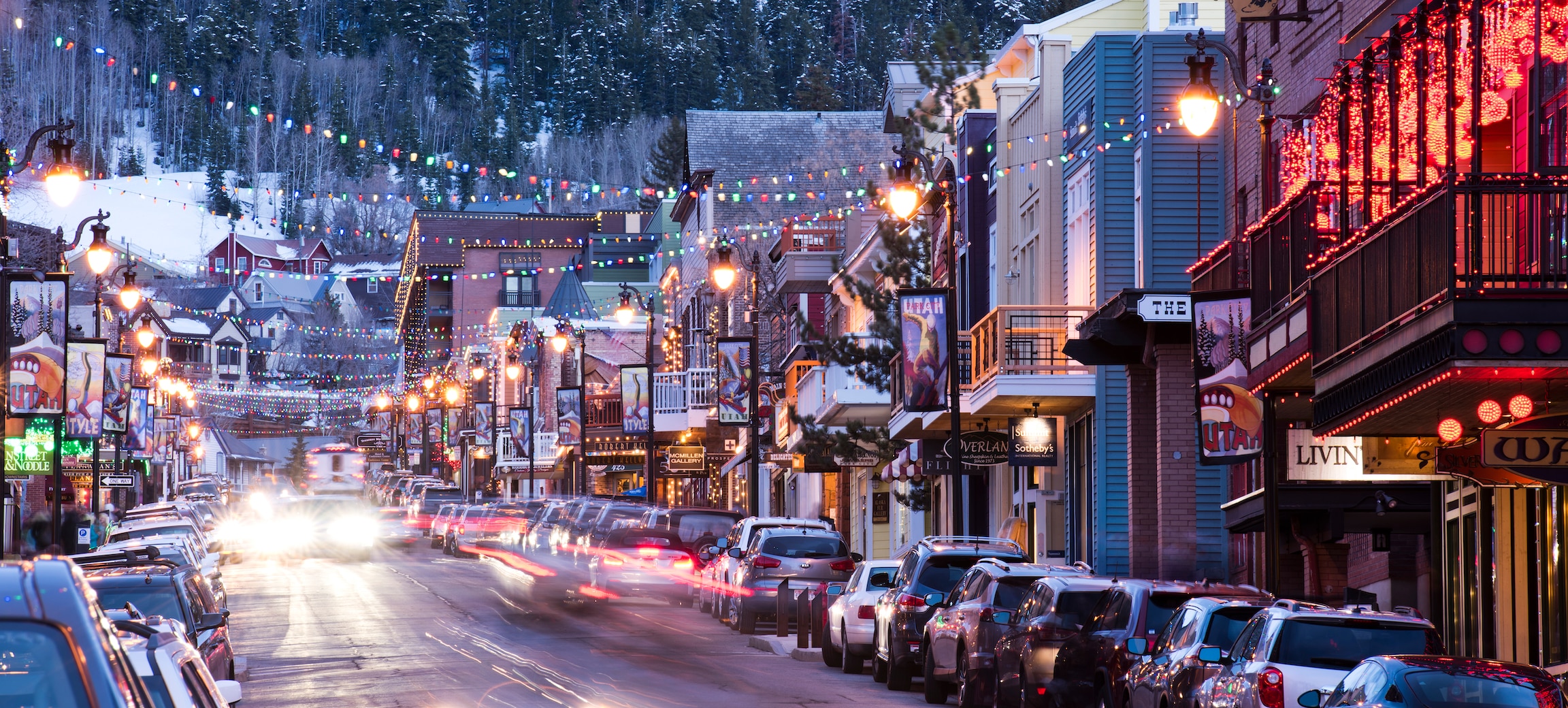
Buying auto insurance in Utah
Utah auto insurance discounts
Buy your policy online and save. It's that simple.2
Learn more about SavingsConvenience and savings — need we say more? Combine your policies and get a discount.2
Learn about Bundle and Save Discounts and moreGet rewarded for your good driving behavior by saving up to 30% on your policy.3
Save with our safe driver programUtah minimum car insurance requirements (25/65/15)
It's illegal to drive without car insurance in Utah. To drive legally, you need to have at least the following coverage amounts and minimums in Utah.4
Coverage type | State requirements |
|---|---|
| Bodily Injury to others Coverage | $25,000 per person and $65,000 per accident |
| Property Damage Liability Coverage | $15,000 per accident |
| Personal Injury Protection (PIP) | $15,000 |
Learn more about state insurance requirements at the Utah Insurance Department.
Average car insurance cost in Utah, 2026
According to 2026 data, the average cost of “full” coverage car insurance in Utah is about $1,644 per year.
Drivers in Utah will often pay more, or less, depending on their coverages, car, age, driving record, and where they live.
Who offers cheap car insurance in Utah?
Finding the cheapest car insurance in Utah may sound great, but a low-cost policy may not pay out when you need it.
You want car insurance that's affordable, and dependable if you have an accident. Trusted for over 100 years, we have the experience and stability to back you up.
A Liberty Mutual auto insurance policy can cost less than you think.5
- $1,121 lower than GEICO
- $997 lower than Progressive
- $1,161 lower than State Farm
- $1,158 lower than Allstate
Factors that can impact your car insurance costs in Utah
Car insurance premiums in Utah are personalized, so there's no standard rate for drivers. Your premium is based on several factors, including:
- Your driving record: tickets, at-fault accidents, or a DUI can raise your rate, while a clean record can help lower it.
- Where you live: rates can differ between the busy Wasatch Front corridor around Salt Lake City and Provo and Utah's more rural areas, partly due to traffic density and claim frequency.
- Your vehicle: the make, model, age, and repair costs of your car all play a role.
- How much you drive: more miles on the road can mean more exposure to risk.
- Coverage and deductible choices: higher limits or lower deductibles typically cost more but offer more protection.
- Age and experience: newer and younger drivers often pay more until they build a track record.
Because Utah is a no-fault state, required PIP Coverage is part of every policy as well.
The good news is there are ways to help manage these costs, you may qualify for discounts, and RightTrack® could reward you for safe driving with savings of up to 30%.3
Is Utah a no-fault state?
Yes, Utah is a no-fault insurance state. In a no-fault system, your own Personal Injury Protection (PIP) Coverage helps pay your medical expenses and certain other costs after an accident, regardless of who was at fault. Utah requires at least $3,000 in PIP per person.
Utah's no-fault rules don't stop you from holding an at-fault driver responsible in every case. If your medical expenses pass the state's threshold or you have a qualifying serious injury, you may be able to pursue a claim against the at-fault driver for additional damages.
Because the $3,000 PIP minimum is relatively low, many Utah drivers choose to add higher PIP limits or other coverage for more protection.
Utah car insurance FAQs
- Utah doesn't offer a true "grace period" that lets you drive uninsured. When you buy or register a vehicle, you're generally expected to have coverage right away, and the state uses an electronic verification system to confirm that registered vehicles stay insured.
If you're adding a newly purchased car to an existing policy, many insurers may provide a short window of coverage for the new vehicle, but you should confirm the details with your insurer and add the car to your policy as soon as possible. The safest approach is to have coverage lined up before you drive.
- There are several ways to help lower your car insurance premium in Utah. Bundling your auto insurance with a homeowners, renters, or condo policy is one of the easiest ways to save. You may also qualify for savings by insuring multiple vehicles, enrolling in paperless billing, or maintaining a clean driving record. Liberty Mutual's RightTrack® program offers eligible drivers up to 30% in savings for safe driving.3
Choosing a higher deductible can also reduce your monthly premium if you're comfortable paying more out of pocket after a covered claim. Finally, reviewing your coverage regularly and comparing quotes can help ensure you're getting the coverage you need at a price that works for you.
- Utah accepts both paper and electronic proof of insurance, so you can show a printed card or a digital ID card from your insurer's mobile app when asked by law enforcement.
It's a good idea to keep proof accessible in your vehicle or on your phone at all times. If you can't provide proof when requested, you could face penalties, even if you have an active policy, so it's worth double-checking before you drive.
- Yes. Utah requires you to have at least the state's minimum coverage before you can register a vehicle, and the state verifies insurance electronically. If your coverage lapses, your registration can be affected, so keeping continuous insurance helps you stay both legal and protected.
- Several factors can push Utah premiums up. As a no-fault state, Utah requires PIP on every policy, which adds a baseline cost. Population growth and heavier traffic along the Wasatch Front, rising vehicle repair and medical costs, and winter driving conditions in the canyons can all contribute as well. Your own rate still depends heavily on personal factors like your driving record, vehicle, and the coverages you choose, so comparing quotes and asking about discounts can help you find a more affordable option.